Rene Van Der Gijp regrets remarks about Stanislav Manolev
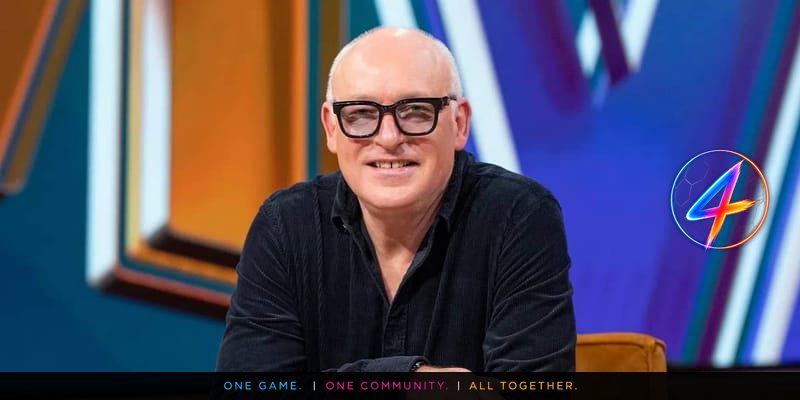
Rene Van Der Gijp has expressed regret over his jokes directed at former PSV defender Stanislav Manolev. In an interview with De Krantjes, the television personality stated that someone should have intervened during the comments.
Van Der Gijp acknowledged his remarks were inappropriate and admitted he did not fully consider their impact at the time. The former player emphasized the need for accountability in public discourse, particularly when discussing individuals in professional football.
The comments were made in reference to Manolev’s time at PSV Eindhoven, where he played as a defender from 2011 to 2014. Van Der Gijp’s remarks were part of a broader segment involving current football punditry and analysis.
According to the interview, Van Der Gijp now recognizes the potential harm his words could cause and has reflected on the responsibility that comes with public commentary. He did not specify who should have intervened but stressed the importance of oversight in such situations.
The discussion took place in the context of a larger conversation about appropriate language in football media, with Van Der Gijp’s admission adding weight to ongoing debates about accountability in sports journalism and punditry.
Manolev, who now plays for FC Ufa in Russia, remains a figure of discussion due to his international career and previous club performances. His time at PSV included 78 appearances across all competitions.
Van Der Gijp’s apology highlights the evolving standards in football discourse, where former professionals are increasingly held to account for their public statements. The interview reflects broader societal shifts in how criticism and humor in sports media are perceived.